Three reasons the Coagulation Profile test is right for you
- This test provides a comprehensive assessment of your blood's ability to clot, helping detect bleeding or clotting disorders
- It is essential for monitoring patients on anticoagulant therapy or evaluating unexplained bleeding events
- Results guide your healthcare provider in planning safe interventions, medications, or further investigations
What is the Coagulation Profile test?
Coagulation Profile measures key components of your clotting system, including Prothrombin Time (PT), Activated Partial Thromboplastin Time (APTT/KCCT), and Fibrinogen levels. Together, these tests provide a clear picture of how well your blood forms clots and whether there are abnormalities in the clotting cascade.
This test is often recommended for:
- Individuals with unusual bruising, prolonged bleeding, or frequent nosebleeds
- Patients preparing for surgery or invasive procedures
- People taking anticoagulant medications such as warfarin or heparin
- Monitoring coagulation status in liver disease or other medical conditions affecting clotting
What are the symptoms of abnormal clotting?
Abnormal coagulation may not always cause symptoms until a bleeding or clotting event occurs. Signs can include:
- Excessive or prolonged bleeding from cuts
- Easy bruising or hematomas
- Nosebleeds or bleeding gums
- Swelling, pain, or redness in limbs (possible clot formation)
- Unexplained fatigue, dizziness, or shortness of breath in severe cases
How does the Coagulation Profile test work?
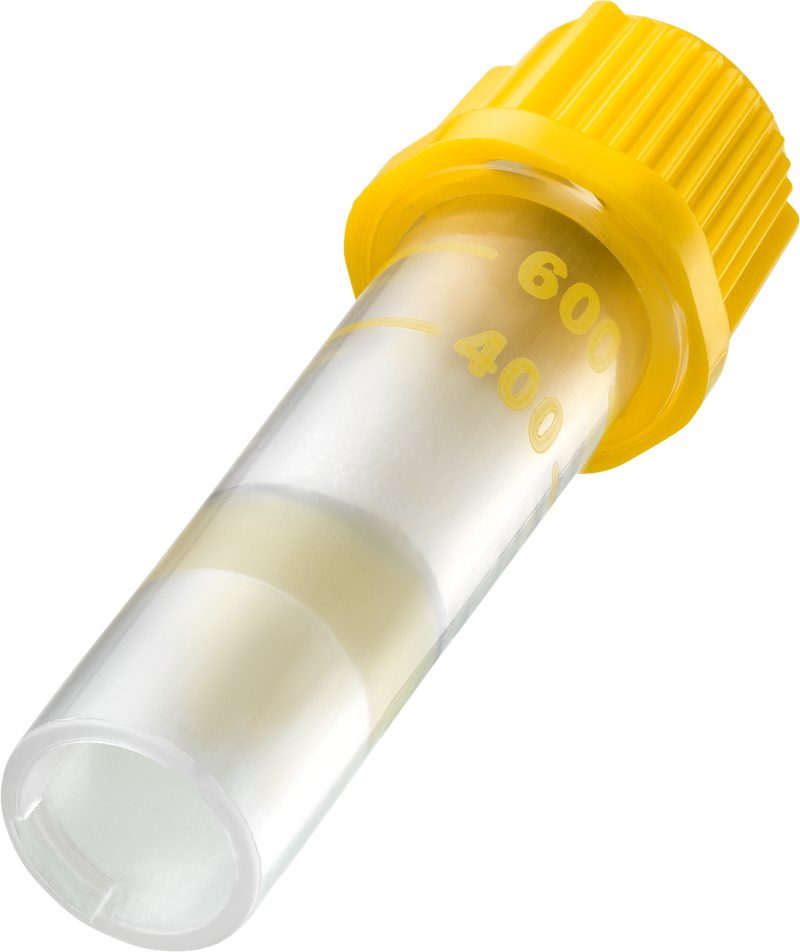
A blood sample is collected in citrate tubes and processed carefully. The sample must be double spun, separated, and frozen within 4-8 hours if transport to the laboratory is delayed to maintain accuracy. The laboratory measures PT, APTT/KCCT, and Fibrinogen, providing a detailed assessment of clotting function. The results help your clinician identify deficiencies or abnormalities and guide treatment or monitoring strategies.
What can I expect at my appointment?
Your appointment involves a standard blood draw performed by a trained healthcare professional. The procedure is quick, safe, and minimally invasive.
Results are typically available within 1 day. You will receive a report showing your clotting times and fibrinogen level, along with guidance from your healthcare provider regarding any necessary follow-up or treatment adjustments.
Are there any risks with this test?
This is a routine blood test and is very safe. Most people experience only mild discomfort at the needle site.
Minor bruising or tenderness may occur. Serious complications are extremely rare. Seek medical advice if you feel unwell after the test.
How do I schedule my appointment?
To book your appointment, click the "Book Your Appointment" button at the top of the page. Select your preferred clinic, date, and time, and follow the sample handling instructions if necessary.
Description provided by Better2Know.