Test specifications
- Sample type
- blood
- Collection method
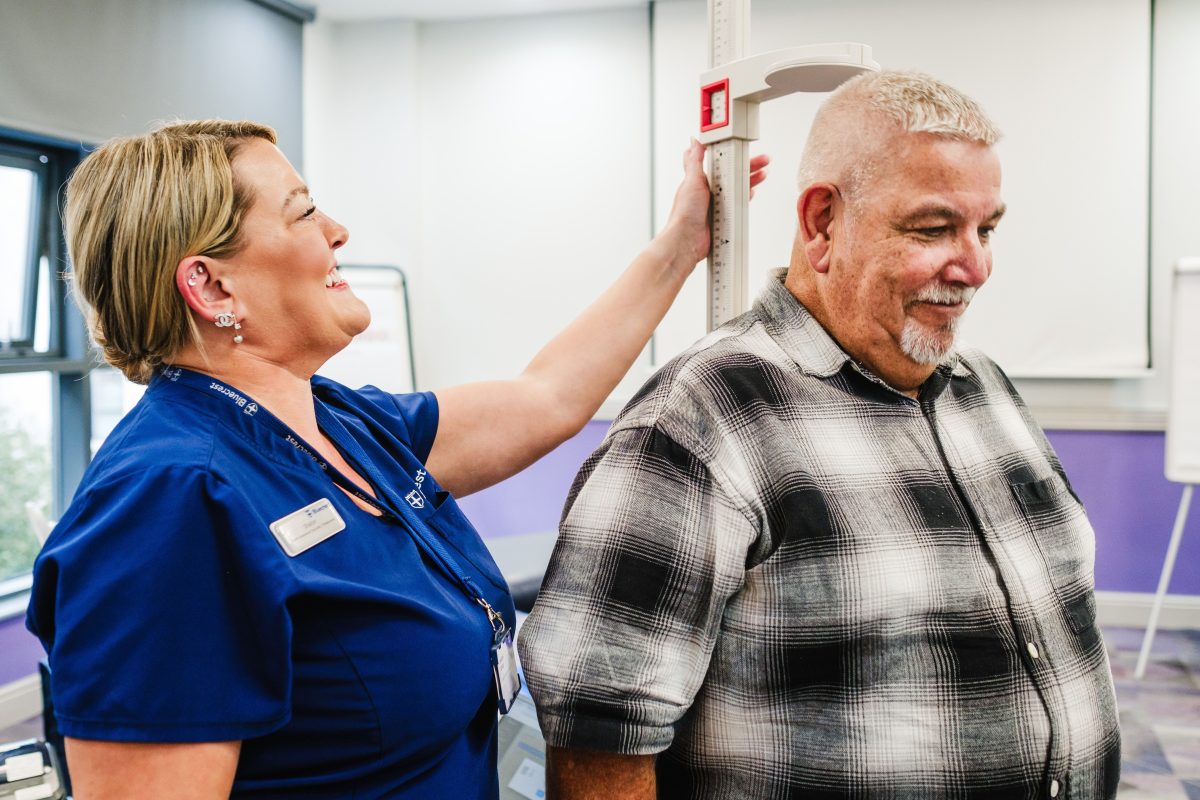
- venous draw at clinic
- Turnaround time
- 42 days
- Biomarkers tested
- 10
- At-home test
- No
- Doctor reviewed
- Yes
- Gender focus
- Female
What's tested
10 biomarkers as listed by Randox Health.
- ATM
- BRCA1
- BRCA2
- CDH1
- CHEK2
- PALB2
- PTEN
- RAD51C
- RAD51D
- TP53
About this test
Some cancers run in families - knowing your risk can make all the difference. Up to 10% of breast cancers and up to 20% of ovarian cancers are linked to inherited genes.
Our genetic breast and ovarian cancer test looks at mutations in 10 key genes - including BRCA1 and BRCA2 - to help identify if you might be at higher risk. With this insight you can make informed decisions to help protect your health.
A genetic mutation could mean you have a higher risk of developing cancer. For example, a mutation in the BRCA1 or BRCA2 gene is a common cause of hereditary breast cancer. A BRCA gene test can help to identify if you have an inherited mutation in one of these genes. If a genetic variant linked to breast cancer or ovarian cancer is found there are options available to help reduce your risk including lifestyle changes, regular screening and in some cases, risk reducing surgery. If you find you have a genetic variant that increases your risk of cancer, then this may have an impact on other members of your family. Close family members may need to be informed and offered testing. Not sure if genetic testing is right for you? For £100, book a phone call with a genetic counsellor to discuss your family history, previous tests, the testing process, genes tested, turnaround times, and potential implications. You'll get expert guidance on the best test for you-plus £100 off your chosen genetic test.
- Consultation with a genetic counsellor
- We will contact you within 6 weeks to arrange your results consultation
- 10 genes analysed from a simple blood sample
Description provided by Randox Health.